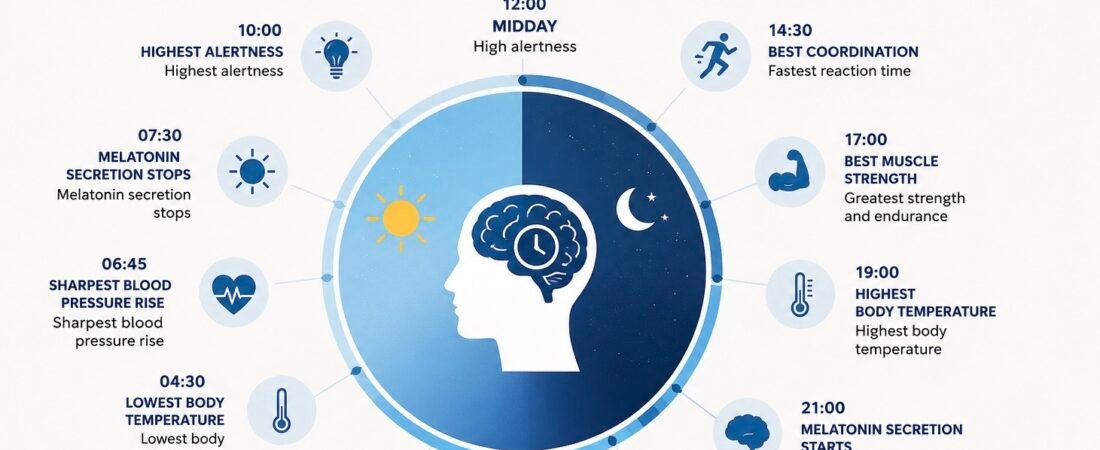
Figure 1. The body’s circadian rhythm is regulated primarily by melatonin and cortisol, which work together to control the sleep-wake cycle.
Sleep is one of the most important pillars of good health, yet millions of adults struggle with poor sleep every night. While many people blame stress, caffeine, or aging, the real answer often lies in two powerful hormones: melatonin and cortisol.
As a Registered Nurse, I’ve seen how healthy sleep habits can make a meaningful difference in overall well-being. Understanding how these hormones work together can help you improve your sleep naturally and wake up feeling refreshed.
Table of Contents
- What Is Melatonin?
- Why Melatonin Is Important
- What Reduces Melatonin Production?
- Understanding Cortisol
- How Cortisol Affects Sleep
- Balancing Melatonin and Cortisol
- 7-Day Sleep Improvement Plan
- When Should You See a Doctor?
- Frequently Asked Questions
What Is Melatonin?
Melatonin is often called the sleep hormone because it signals your brain that it is time to sleep.
It is produced by the pineal gland when darkness falls and is an essential part of your body’s natural circadian rhythm.
Key Facts
- Production increases after sunset
- Peaks during the night
- Helps regulate your sleep-wake cycle
- Naturally decreases with age
Why Melatonin Matters
Melatonin does much more than make you sleepy.
Research suggests melatonin may also help:
- Support immune function
- Protect cells through antioxidant activity
- Promote healthy circadian rhythms
- Improve overall sleep quality
What Can Reduce Melatonin Production?
Several everyday habits interfere with melatonin production.
1. Blue Light
Phones, tablets, televisions, and computers suppress melatonin production.
2. Irregular Sleep Schedule
Going to bed at different times confuses your internal body clock.
3. Aging
Natural melatonin production gradually declines as we age.
4. Chronic Stress
Elevated stress hormones make it harder for melatonin to rise.
5. Certain Medications
Some medications may reduce natural melatonin levels.
Tips to Naturally Increase Melatonin
✔ Get morning sunlight
✔ Turn off screens 60–90 minutes before bed
✔ Keep your bedroom cool (60–67°F)
✔ Dim lights after sunset
✔ Avoid caffeine late in the day
Understanding Cortisol
Cortisol is commonly called the stress hormone, but it actually plays many important roles.
Healthy cortisol follows a daily rhythm.
| Time | Cortisol Level |
| Morning | Highest |
| Afternoon | Moderate |
| Evening | Low |
| Night | Lowest |
When this rhythm becomes disrupted, sleep often suffers.
How High Cortisol Affects Sleep
High evening cortisol may contribute to:
- Difficulty falling asleep
- Frequent awakenings
- Light, unrefreshing sleep
- Racing thoughts at bedtime
Common Causes of High Nighttime Cortisol
- Chronic stress
- Poor sleep habits
- Excess caffeine
- Late-night exercise
- Blood sugar fluctuations
- Sleep apnea
Evidence-Based Ways to Lower Evening Cortisol
During the Day
- Exercise regularly
- Spend time outdoors
- Eat balanced meals
- Maintain a consistent routine
Before Bed
- Practice deep breathing
- Read instead of scrolling your phone
- Avoid work emails
- Limit caffeine after 2 PM
Melatonin and Cortisol Work Together
Think of these hormones like opposite sides of a balance.
Melatonin says:
“It’s time to sleep.”
Cortisol says:
“It’s time to wake up.”
Healthy sleep depends on both hormones working together at the right times.
7-Day Sleep Optimization Plan
Days 1–2
Focus on light exposure.
- Morning sunlight
- Dim evening lights
- Reduce screen time
Days 3–4
Manage stress.
- Meditation
- Deep breathing
- Journaling
Days 5–6
Improve nutrition.
- Magnesium-rich foods
- Healthy dinner
- Avoid alcohol before bed
Day 7
Optimize your bedroom.
- Temperature: 60–67°F
- Dark room
- Quiet environment
- Comfortable mattress
When Should You See a Doctor?
Speak with your healthcare provider if you have:
- Insomnia lasting more than three weeks
- Loud snoring or gasping during sleep
- Excessive daytime sleepiness
- Mood changes related to poor sleep
- Symptoms that interfere with daily life
Frequently Asked Questions
Does melatonin help everyone sleep?
Melatonin supplements may help some people, particularly those with jet lag or certain circadian rhythm disorders, but they are not a solution for every type of insomnia. Consult your healthcare provider before starting supplements.
Can stress increase cortisol at night?
Yes. Ongoing stress may contribute to elevated evening cortisol, making it more difficult to fall asleep.
What is the best natural way to increase melatonin?
Morning sunlight, limiting blue light before bedtime, maintaining a consistent sleep schedule, and sleeping in a dark room all support healthy melatonin production.
Does exercise improve sleep hormones?
Regular daytime exercise supports healthy cortisol rhythms and may improve sleep quality. Very intense exercise immediately before bedtime may make it harder for some people to fall asleep.
Final Thoughts
Improving sleep is not about finding a quick fix. It’s about supporting your body’s natural rhythms through healthy habits and evidence-based strategies. If sleep problems persist despite lifestyle changes, consult a qualified healthcare professional for a personalized evaluation.
This article is for educational purposes only and is based on current medical evidence. It is not a substitute for professional medical advice. Always consult your physician or a qualified healthcare provider before making health-related decisions or starting any new treatment or supplement.
About the Author
HappyCiCI (Cindy Kim, RN, OCN )is a Registered Nurse with more than 35 years of healthcare experience and an Oncology Certified Nurse (OCN). Through Cindy RN Wellness, she shares evidence-based health information on sleep, preventive care, healthy aging, nutrition, and wellness.
The information provided through Cindy RN Wellness is intended for educational purposes and is based on medical evidence. It is not a substitute for personalized medical advice, diagnosis, or treatment. Readers should always consult their healthcare provider for decisions regarding their individual health.