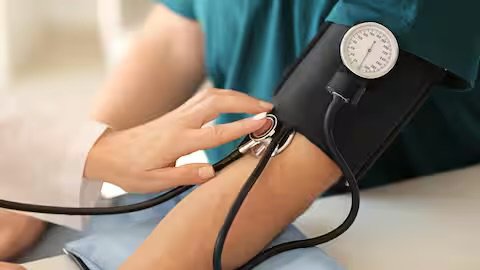
As a retired Registered Nurse with over 30 years of experience at Cedars-Sinai Medical Center, I have helped thousands of patients navigate the confusion of sudden health changes. One of the most common questions I get is: “I’ve always had normal or even low blood pressure, so why is it suddenly spiking?”
High blood pressure, or hypertension, is often called the “Silent Killer” because it rarely shows obvious symptoms until significant damage has occurred. If your readings are trending upward, don’t wait for a medical emergency—take control today.
Understanding Your Numbers
First, let’s look at the standard categories according to the American Heart Association (AHA). Use this table as a reference for your daily logs.
| Blood Pressure Category | Systolic (mmHg) | Diastolic (mmHg) |
| Normal | Less than 120 | Less than 80 |
| Elevated | 120-129 | Less than 80 |
| Hypertension Stage 1 | 130-139 or | 80-89 |
| Hypertension Stage 2 | 140 or higher | 90 or higher |
| Hypertensive Crisis | Higher than 180 | Higher than 120 |
Important: If either the systolic or the diastolic blood pressure falls into a higher category, the higher category determines your blood pressure classification.
How to Get Accurate Home Readings
Before You Begin: The Pre-Measurement Checklist
Ensure your body is prepared to avoid artificially high readings:
• Wait 30 Minutes: Avoid smoking, caffeine, and exercise for at least 30 minutes
• Empty Your Bladder: A full bladder can increase your reading by 10–15 mmHg
• Rest: Sit quietly in a chair for 5 minutes before measuring
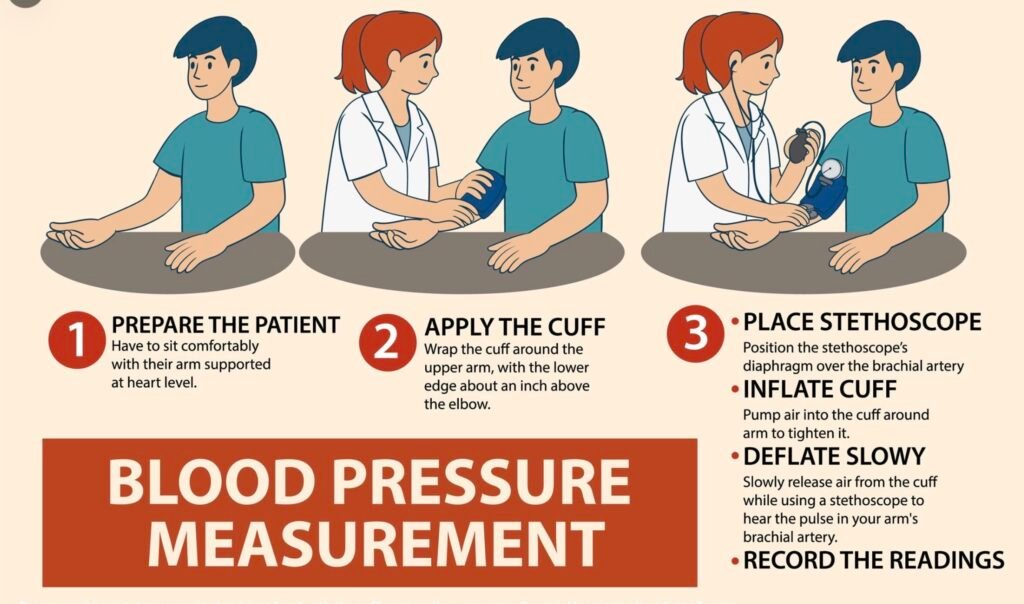
Proper positioning: Arm supported at heart level with the cuff snug on the upper arm. Source: blueringmedia / Getty Images
.
Proper Measurement Technique
Follow these steps for every reading:
1. Posture: Sit with your back straight and supported by a chair. Keep your feet flat on the floor—do not cross your legs or ankles.
2. Arm Position: Rest your arm on a table so the cuff is at heart level.
3. Cuff Placement: Place the cuff directly on bare skin, about 1 inch above the bend of your elbow.
4. Record: Take two readings, 1–2 minutes apart, and record the average.
Note: Inconsistent measurements are often due to technique, not your health. Consistency is key.
When Should You Start Medication?
Lifestyle changes (like the DASH diet and daily exercise) are always the first line of defense. However, your doctor may discuss medication if:
• Stage 2 Hypertension: Your readings are consistently 140/90 or higher
• High Risk Factors: You have diabetes, kidney disease, or a high cardiovascular risk profile
• Lifestyle Trial Failure: After 3–6 months of strict diet and exercise, your blood pressure remains above your target goal
Before Your Appointment
Bring a 2-week log of your morning and evening readings. Ask your physician:
“Based on my age and current risk factors, is my blood pressure trend requiring immediate medication, or should we continue to monitor my progress with lifestyle adjustments?”
Important Disclaimer
The content in this blog is based on established medical knowledge and professional nursing experience. It is for educational purposes only. All medical decisions, including the initiation or modification of medication, must be made in consultation with your healthcare provider.
About the Author
Meet HappyCiCi
After serving for over 30 years as an oncology Registered Nurse at Cedars-Sinai Medical Center, I have transitioned into retirement with a passion for health advocacy. My goal is to bridge the gap between complex medical information and your daily life, offering evidence-based advice and the warm, professional guidance of a nurse who truly cares about your well-being.
Do you have questions about your blood pressure readings or need tips on healthy living? Leave a comment below—your questions help shape my next post!