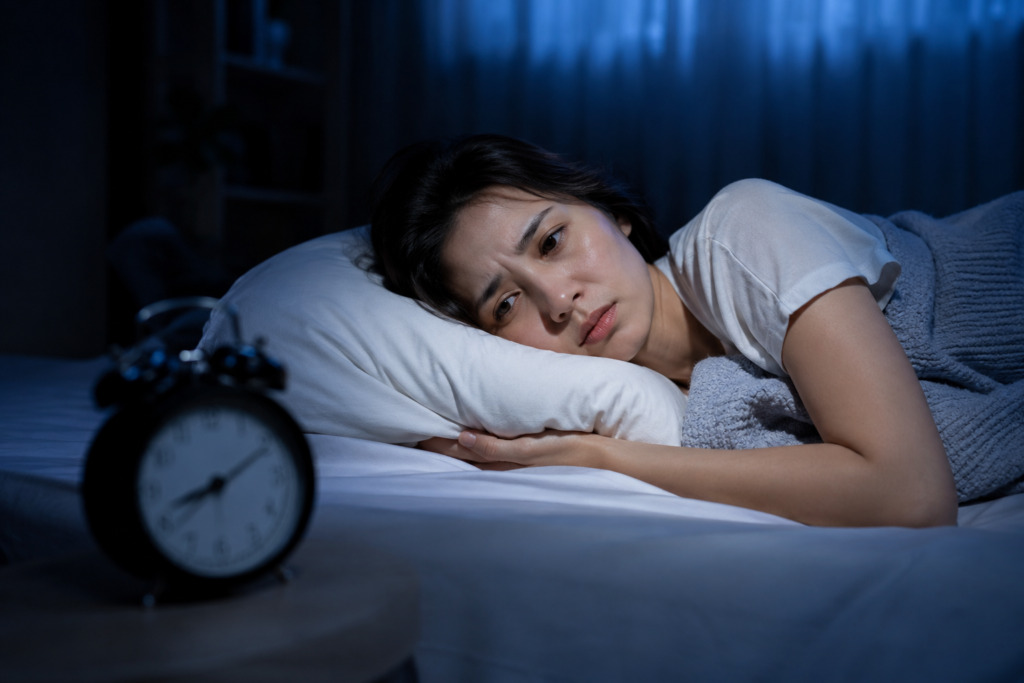
As a Registered Nurse working on the front lines of healthcare, I see firsthand how devastating sleep deprivation can be. Whether it is fellow nurses working grueling shift rotations or patients recovering in hospital beds, insomnia is one of the most common—and debilitating—complaints I encounter.
When you are staring at the ceiling at 3:00 AM, it is incredibly tempting to reach for a quick fix like a prescription sleeping pill. However, based on clinical evidence and my experience as a nurse, my highest piece of advice is this: exhaust practical, science-backed lifestyle changes before you start taking sleep medications regularly.
Today, I am sharing actionable, realistic knowledge rooted in 2026 medical guidelines to help you reclaim your sleep naturally.
Why You Shouldn’t Jump to Sleeping Pills First: The Clinical Reality
While sleep medications can offer short-term relief during acute crises, starting a regular regimen carries significant clinical risks that every patient should understand:
Tolerance and Dependence: Over time, your brain adapts to the medication. You will require higher doses to achieve the same effect, leading to physical and psychological dependency.
Disrupted Sleep Architecture: Many sedative-hypnotics reduce the amount of deep sleep (REM and slow-wave sleep) you get. You might be unconscious for 8 hours, but you will still wake up feeling unrefreshed.
Increased Fall Risks: From a nursing perspective, this is a major concern. Sleeping pills cause nighttime grogginess, drastically increasing the risk of confusion and dangerous falls, especially if you need to use the restroom in the middle of the night.
⚠️ Important Medical Disclaimer:
The information provided in this guide is for educational purposes only and should not replace professional medical advice. The choice and proper management of any medication must always be discussed with your primary care physician (PCP). Never start, stop, or alter your medication dosage without consulting your doctor.
Practical, Evidence-Based Strategies to Sleep Naturally
The American Academy of Sleep Medicine (AASM) recommends Cognitive Behavioral Therapy for Insomnia (CBT-I) as the first-line treatment for chronic insomnia—not pills. Here is how you can apply these clinical principles to your daily life:
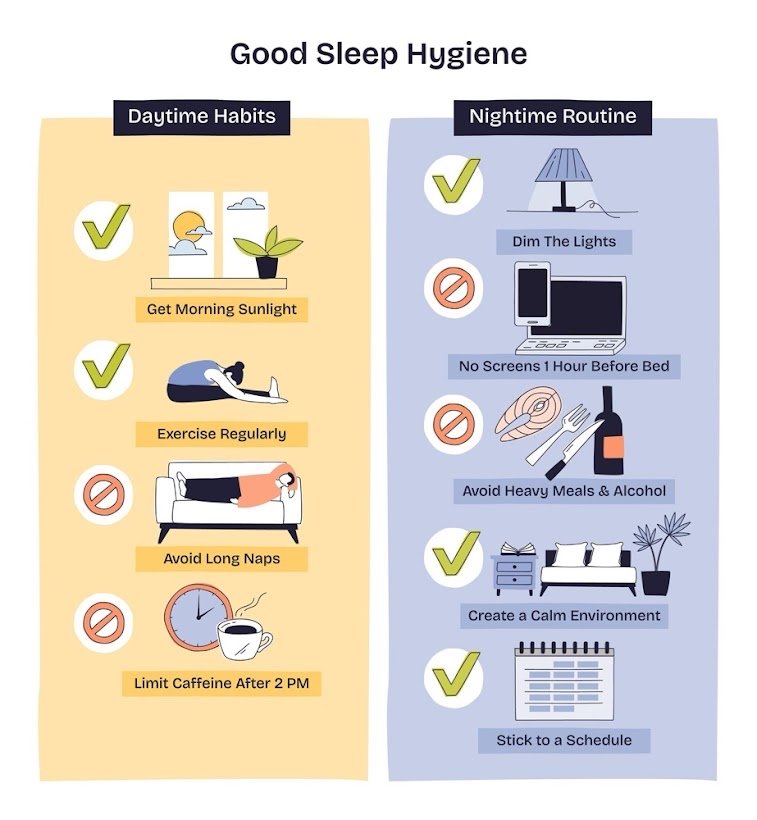
1. Master “Stimulus Control” (The 20-Minute Rule)
Many people lie in bed for hours tossing, turning, and checking their phones. This accidentally trains your brain to associate the bed with anxiety and alertness.
Nurse’s Tip: If you are not asleep after 20 minutes, get out of bed. Move to a dimly lit room and do something boring, like reading a physical book. Do not go back to bed until you are actively drowsy. Keep the bed strictly for sleep and intimacy.
2. Trigger Your Body’s “Cool Down” Mechanism
Your circadian rhythm relies heavily on your core body temperature. A natural drop in body temperature signals your brain to produce melatonin, the hormone that induces sleep.
Nurse’s Tip: Take a warm shower or bath 90 minutes before your target sleep time. While your temperature rises initially, it plummets over the next hour and a half, mimicking the body’s natural pre-sleep cooldown. Additionally, keep your bedroom cool—ideally between 18°C to 20°C (65°F to 68°F).
3. Anchor Your “Wake-Up Time” (Even on Weekends)
Trying to “catch up” on sleep by sleeping in on weekends creates a phenomenon called “social jetlag,” which completely derails your body clock.
Nurse’s Tip: No matter how poorly you slept the night before, wake up at the exact same time every single day. As soon as you wake up, get 15 minutes of direct morning sunlight. This resets your circadian rhythm and flips on a biological countdown timer that will make you naturally tired 15 hours later.
Conclusion: Trust Your Body’s Natural Rhythm
Overcoming insomnia is not about finding a magic pill; it is about rebuilding a broken relationship with your sleep. As a nurse, I always remind my patients that your body naturally wants to balance itself. By staying consistent with stimulus control, managing your body temperature, and fixing your wake-up time, you are giving your nervous system the biological cues it needs to rest.
Be patient with yourself—healing your sleep cycle takes time. Start with just one of these habits tonight, and see how your body responds.
Do you have questions about adjusting your nighttime routine, or want to share what has worked for you? Drop a comment below, and let’s chat!